Hounslow council rules for bulk rubbish and cleaning waste disposal
If you have ever stared at a hallway full of broken furniture, bin bags, dusty skirting-board waste, or post-renovation rubble and thought, "Right, what now?", you are in the right place. Hounslow council rules for bulk rubbish and cleaning waste disposal can feel straightforward at first, then suddenly a bit fiddly once you are sorting out what counts as household waste, what needs special handling, and what should never go in a normal bin. The good news is that once you understand the basics, the process becomes much easier to manage.
This guide breaks it down in plain English. We will look at how bulk waste and cleaning waste are usually handled in Hounslow, what residents and landlords need to think about, where mistakes tend to happen, and how to stay on the safe side. Whether you are clearing out after a move, finishing a deep clean, or dealing with a bulky item that has been sitting in the spare room for far too long, the aim is simple: help you dispose of it properly without stress.
And yes, there is a practical angle here too. If a job is larger than expected, or involves mixed waste, it often helps to pair disposal planning with a proper deep cleaning or even a full house clearance approach so you are not just shifting mess from one corner to another. Let's get into it.
Table of Contents
- Why Hounslow council rules for bulk rubbish and cleaning waste disposal matters
- How Hounslow council rules for bulk rubbish and cleaning waste disposal works
- Key benefits and practical advantages
- Who this is for and when it makes sense
- Step-by-step guidance
- Expert tips for better results
- Common mistakes to avoid
- Tools, resources and recommendations
- Law, compliance, standards, or best practice
- Options, methods, or comparison table
- Case study or real-world example
- Practical checklist
- Conclusion
- Frequently Asked Questions
Why Hounslow council rules for bulk rubbish and cleaning waste disposal Matters
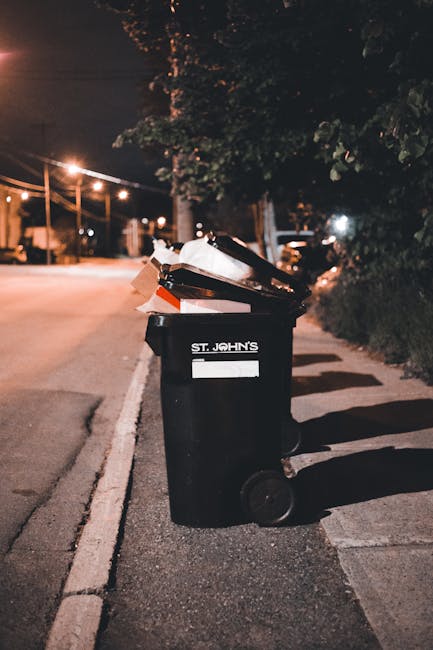
Bulk rubbish is not the same as a normal bin day. That sounds obvious, but in practice people mix the two all the time. A sofa left beside the kerb, a pile of plaster dust, old mop heads, used cloths, cardboard from a move, and a broken wardrobe panel all create different disposal questions. Hounslow council rules exist to keep streets clear, reduce fly-tipping, protect public health, and make sure waste goes where it should. Simple enough, but the details matter.
For households, the big issue is convenience versus compliance. If you leave items out incorrectly, they may not be collected. If waste is contaminated, especially after decorating or a heavy clean, it can be classed differently from ordinary household rubbish. That can change how it needs to be packed, separated, and removed. And to be fair, nobody wants a rejected pile sitting outside for another week.
For landlords, tenants, cleaners, and property managers, the stakes are a bit higher. Leftover rubbish at the end of a tenancy can delay check-out, cause complaints, or create extra labour at the worst possible time. A quick post-vacancy tidy often turns into a much bigger task once you see the reality: black sacks in the cupboard, a mattress leaning against the wall, and cleaning waste tucked behind the washing machine. Happens more than people admit.
There is also the neighbour factor. Bulk waste left in a shared space can block access, attract pests, and make a building look neglected. In communal blocks, that can become a management issue rather quickly. If you deal with shared entrances or stairwells, communal area cleaning works best when waste removal is planned at the same time, not after the fact.
How Hounslow council rules for bulk rubbish and cleaning waste disposal Works
At a practical level, the rules are about two broad categories: bulk rubbish and cleaning waste. Bulk rubbish usually means large household items or a significant amount of refuse that cannot go in a standard bin. Think mattresses, chairs, wardrobes, broken tables, or multiple heavy bags from a clear-out. Cleaning waste is different. It can include dust, debris, packaging, cloths, paper towels, disposable PPE, mop heads, vacuum contents, and waste from after-builders or deep-cleaning jobs.
The important question is not just "What is it?" but "What has it been mixed with?". A dry dust bag from a vacuum cleaner is one thing. A bag containing chemical-soaked cloths, paint residue, plaster, or broken glass is another. In real life, waste streams get messy quickly, so separating items early saves trouble later.
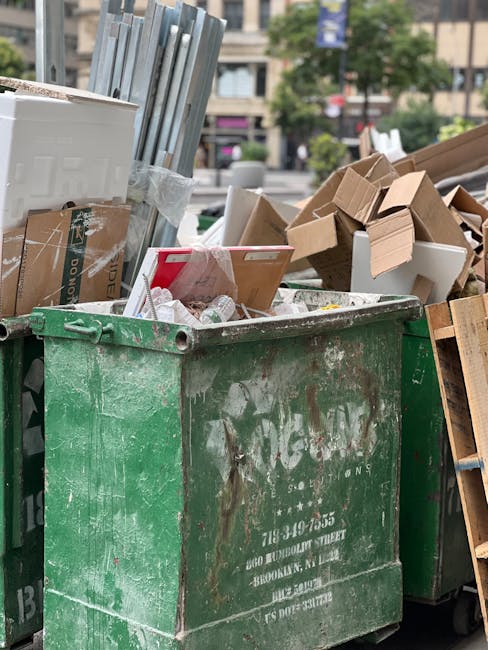
In many cases, residents will need to arrange disposal in a way that matches the item type and quantity. That may mean booking a bulky waste collection, using a permitted waste facility, or arranging a licensed clearance service for larger or mixed loads. If you are dealing with heavier jobs, a proper after builders cleaning often generates debris that should be handled separately from regular domestic waste. Dust and rubble do not play nicely with normal bin bags, sadly.
Cleaning businesses and landlords should also think about duty of care. Waste should be contained, stored safely, and taken to an appropriate destination. Mixed waste left in the wrong place can create odours, trip hazards, or contamination. You may notice this most after a big clean: one bag has paper and dust, the next has food waste from a hidden cupboard, and a third has glass. That is exactly where a slower, more methodical sort-out pays off.
If you want to keep on top of the final tidy-up after moving, a coordinated move-out cleaning or end of tenancy cleaning plan helps prevent rubbish from being treated as an afterthought. Waste removal is part of the job, not a separate surprise.
Key Benefits and Practical Advantages
Following the right disposal route is not just about avoiding penalties or rejected collections. It makes the whole clean-up process calmer, faster, and less wasteful. Here are the main advantages.
- Less clutter and faster turnaround. Once bulky items and waste are cleared correctly, cleaners can finish properly instead of working around piles.
- Lower contamination risk. Keeping cleaning waste separate from general household rubbish helps reduce mess, smells, and spillages.
- Better space use. A clear room is easier to inspect, clean, repair, photograph, or hand over.
- Less stress on collection day. When items are pre-sorted and ready, you are not doing a last-minute shuffle at the kerb.
- Cleaner results. This matters especially after deep cleans, building work, or tenancy changeovers where dust travels everywhere.
There is a quieter benefit too: confidence. If you know the waste has been handled properly, you do not spend the next few days wondering whether you have done it wrong. That peace of mind is worth a lot. Honestly, it saves energy.
From a service point of view, good waste planning also supports better cleaning outcomes. For example, a one-off cleaning visit may leave the property looking much better, but if the rubbish is still there, the visual result is only half-finished. Likewise, a routine domestic cleaning schedule works best when clutter and old items are not constantly getting in the way.
Who This Is For and When It Makes Sense
These rules matter to a wider group than most people think. The obvious case is a homeowner or tenant with bulky rubbish. But the more you look, the more situations come up.
- Tenants moving out who need to leave a property tidy and free of leftover items.
- Landlords and letting agents dealing with abandoned furniture, bagged waste, or post-tenancy cleaning debris.
- Homeowners clearing a garage, loft, spare room, or garden area.
- Cleaners and cleaning companies managing waste after deep cleans, end-of-tenancy work, or specialist jobs.
- Office managers disposing of old office furniture, packaging, and general cleaning waste after a reset.
- Property managers looking after communal spaces, shared bins, and regular waste discipline.
It makes sense any time you have more waste than a normal bin run can handle, or when the waste is awkward, heavy, dusty, or mixed. A simple example: if you have just finished a long overdue spring clean and the pile includes old towels, broken shelving, vacuum contents, and a disassembled chair, you are no longer dealing with "just a few bags". You are in bulk disposal territory.
That is also why some people combine disposal with specialist cleaning. After all, if you are taking out worn upholstery or stained soft furnishings, you might also consider sofa cleaning or upholstery cleaning before deciding what can be kept, donated, or removed. Sometimes the item looks beyond saving at first glance, then a proper clean changes the picture.
Step-by-Step Guidance
If you want a simple way to approach the job, use this sequence. It is not glamorous, but it works.
- Sort everything into categories. Separate bulky furniture, general rubbish, cleaning waste, recyclables, and anything potentially hazardous.
- Check what is actually being thrown away. Some items look like normal waste but contain materials that need special care, such as broken glass, sharp metal, or chemical residues.
- Keep waste dry and contained. Bags should be tied securely. Loose dust and debris make collection harder and can blow around on the pavement.
- Remove anything reusable. If an item can be donated, repaired, or passed on safely, do that before disposal.
- Decide on the disposal route. Small amounts may suit a council collection arrangement, while larger or mixed loads may need a clearance service.
- Stage the waste safely. Do not block exits, stairs, or shared walkways. Keep items where they do not create a hazard.
- Clean the area after removal. Once the clutter is gone, sweep, vacuum, and wipe surfaces so residue does not linger.
A realistic example: after a flat move, you might have two broken chairs, a bag of kitchen waste, old cleaning cloths, a box of packaging, and some dusty shelves. If you clear the furniture first, then sweep the dust, then bag the remaining cleaning waste, everything becomes easier. If you do it in the wrong order, you just move dirt around. We have all been there, a bit.
For larger, more physical jobs, the sequence matters even more. If you are preparing a space for guests or new occupants, move-in cleaning and house cleaning are far more effective once the disposal stage is complete. No cleaner enjoys working around a half-finished pile of stuff by the door. Nobody.
Expert Tips for Better Results
Here is where a little experience saves a lot of time.
- Separate cleaning waste from household waste early. Once everything is in one sack, sorting becomes messy and slow.
- Use sturdy bags and boxes. Thin bags split. Heavy dust, damp cloths, or sharp offcuts can tear through them in seconds.
- Avoid overfilling sacks. Overstuffed bags are hard to lift, more likely to split, and less likely to be collected cleanly.
- Keep liquids out of dry waste. Soaked paper, leftover detergents, and cleaning fluids should never be tossed casually into the same bag as general rubbish.
- Plan for access. If waste needs to pass through narrow hallways or shared entrances, clear a route first. It sounds basic, but people forget.
- Schedule disposal before the final clean. That way the cleaner can finish with a proper reset instead of cleaning around waste you still need to remove.
If you are handling a property reset, pairing rubbish disposal with move-out cleaning or regular cleaning can keep standards high without doubling the effort. It is a small bit of organisation that makes a big difference.
And one practical truth: if the waste smells, leaks, or attracts flies, treat it as urgent. You do not want to be the person explaining why the kitchen smells like a damp skip on a warm afternoon. Not ideal.
Common Mistakes to Avoid
Most disposal problems are not dramatic. They are small habits that snowball.
- Leaving bulk items out too early. If the collection is not scheduled, items can obstruct pathways or encourage fly-tipping.
- Mixing all waste together. This is especially risky when cleaning waste includes dust, glass, or chemical containers.
- Ignoring wet or contaminated waste. Damp cloths, used wipes, and spill-soaked materials often need more careful handling than people expect.
- Forgetting about shared spaces. In flats or terraces, waste can affect neighbours and communal access very quickly.
- Assuming every item is council-collectable. Some waste is simply better handled by a specialist clearance route.
- Cleaning first, disposing later. This sounds efficient, but in practice it often means the final clean gets wrecked again during removal.
Another common one: people keep "just one more" broken item because they are not sure whether it counts as bulk rubbish. Then another bag appears. Then another. Before you know it, the hallway looks like a holding area. A tiny mess can become a large one, and that part is annoyingly fast.
Tools, Resources and Recommendations
You do not need fancy equipment, but a few basic tools make the job cleaner and safer.
| Tool or item | Why it helps | Best use case |
|---|---|---|
| Heavy-duty refuse sacks | Reduce splitting and leakage | Cleaning waste, dust, soft rubbish |
| Sturdy boxes | Keep broken or awkward items contained | Packaging, small mixed debris, loose household items |
| Gloves | Protect hands from sharp edges and dirt | Most waste handling tasks |
| Dustpan and brush | Quickly remove loose debris | After removals and cleaning jobs |
| Vacuum cleaner | Catches fine dust that sweeping misses | After builders cleaning, soft dust, corners |
| Microfibre cloths | Pick up residue without spreading it around | Final wipe-down after waste removal |
If your waste is linked to cleaning work, it can also help to think about the surfaces involved. A hard floor cleaning job, for example, often reveals the amount of debris trapped in edges and grout lines. Likewise, when the job includes windows, ledges, or external areas, window cleaning or patio cleaning may form part of the wider tidy-up once rubbish is gone.
For a property that needs a full reset, it is also worth looking at specialist services that remove deep dirt rather than just surface dust. oven cleaning, rug cleaning, carpet cleaning, and steam carpet cleaning can all make a major visual difference once the clutter and rubbish are dealt with properly.
Law, Compliance, Standards, or Best Practice
Waste disposal is not just a tidy-up task; it is part of wider environmental and public-safety practice in the UK. The exact operational rules can change, so if you are dealing with a specific collection or a larger clearance, it is always sensible to check current local guidance before putting waste out. That said, a few principles stay consistent.
Duty of care matters. In plain terms, whoever produces the waste is responsible for handling it properly until it reaches an appropriate disposal route. That applies in domestic settings too, especially when waste is generated during cleaning, renovation, or clearance.
Don't assume all waste is the same. General rubbish, bulky items, recyclable materials, and contaminated cleaning waste should not be treated as one bucket. Mixed waste can create unnecessary handling problems and, in some cases, additional disposal cost or refusal.
Health and safety still applies at home. Sharp objects, damp materials, mouldy soft furnishings, and heavy furniture can all pose real risks. If something feels awkward or unsafe to move, that is a sign to slow down rather than muscle through it.
For commercial premises, care is even more important. Offices and communal properties often generate both routine waste and occasional bulk items, especially during refurbishments or tenant changes. A structured office cleaning plan, or support with commercial cleaning, should sit alongside a sensible waste process rather than trying to ignore it.
Practical takeaway: if the waste is bulky, mixed, dusty, or potentially contaminated, treat it as a planned disposal job, not a quick bin task.
Options, Methods, or Comparison Table
There is no single right answer for every property. The best option depends on volume, item type, urgency, and how much lifting you want to do yourself.
| Method | Best for | Pros | Watch-outs |
|---|---|---|---|
| Council bulky waste arrangement | Limited household bulky items | Often straightforward for small volumes | May not suit mixed cleaning waste or larger clear-outs |
| Self-sorted disposal | Carefully separated waste | Good control over what goes where | Time-consuming and physically demanding |
| Licensed clearance service | Large, mixed, or awkward loads | Fast, convenient, less manual effort | Needs planning and clear item list |
| Combine with specialist cleaning | Moves, voids, deep cleans, post-build jobs | Better final result and less back-and-forth | Requires coordination so disposal happens first or alongside cleaning |
If you are clearing a property with a lot of mixed debris, a combined approach is often easiest. For instance, after a tenancy ends, waste removal may need to happen before end of tenancy cleaning, not after. The order matters more than people think.
Case Study or Real-World Example
Here is a typical scenario. A two-bedroom flat in Hounslow has just been vacated. The new occupants are due in a few days, and the place looks tidy at first glance. But once the cupboards are opened, there are old cleaning products, a damaged lamp, two bags of mixed rubbish, a torn rug, and a sofa that has seen better days. A quick surface clean would help, sure, but it would not solve the actual problem.
The sensible plan is to sort the items first: keep anything reusable, separate dry waste from contaminated waste, and remove bulky items before final cleaning begins. The rug may be worth assessing for rug cleaning if it is salvageable. The sofa could be checked for sofa cleaning or stain removal before disposal is decided. Once the waste is gone, the cleaner can work properly on the floors, skirting, bathroom, and kitchen.
That sequence changes everything. The room feels lighter, the air smells fresher, and the final finish is simply better. No drama, just a more sensible workflow. In our experience, this is where people often have that little "oh, that makes sense" moment.
Practical Checklist
Use this before you arrange disposal or book cleaning.
- Have you sorted bulk items from ordinary rubbish?
- Is any waste wet, sharp, dusty, or contaminated?
- Have you removed reusable items first?
- Is the waste contained securely in bags or boxes?
- Do you know whether the load is small enough for a simple collection or large enough for clearance support?
- Have you cleared access routes through hallways, stairs, and shared spaces?
- Will disposal happen before the final clean?
- Do any surfaces, carpets, or soft furnishings need specialist cleaning before they are thrown away?
- Have you checked whether communal areas need extra attention?
- Are you keeping the process safe and tidy for neighbours and visitors?
If you can tick most of those off, you are already ahead of the game.
Get a free quote today and see how much you can save.
Conclusion
Hounslow council rules for bulk rubbish and cleaning waste disposal are really about common sense done properly: sort the waste, separate the awkward bits, choose the right route, and do not leave it to chance. Once you treat waste disposal as part of the clean-up plan rather than the messy afterthought, the whole job becomes easier, safer, and much less stressful.
That matters whether you are moving house, managing a tenancy, cleaning a commercial space, or just trying to reclaim a room that has become the family dumping ground. Clear the waste, finish the clean, and you can actually enjoy the result. Simple, but powerful.
If you are dealing with a bigger clearance or need support after cleaning, it is often worth pairing the disposal plan with services such as house cleaning or deep cleaning so nothing is left half-done. A tidy property feels calmer the moment the last bag goes out. Honestly, that last step can be a relief.
Frequently Asked Questions
What counts as bulk rubbish in Hounslow?
Bulk rubbish usually means large items or a volume of waste too awkward for ordinary household bins, such as furniture, mattresses, shelving, or several heavy bags from a clear-out.
Can I put cleaning waste in my normal bin?
Sometimes small amounts can go with general waste, but it depends on what the cleaning waste contains. Dry dust and light debris are different from chemical-soaked cloths, glass, or mixed rubble.
What should I do with waste from after builders cleaning?
Separate fine dust, rubble, packaging, and any sharp or contaminated items. If the load is substantial, after-builders waste is usually better handled as a planned disposal job rather than a normal bin issue.
Do I need to sort recyclable items from rubbish?
Yes, where possible. Separating recyclable materials from general waste helps keep the disposal process cleaner and easier to manage.
Who is responsible for waste left after a tenancy?
That depends on the tenancy situation and what was left behind, but in practical terms tenants, landlords, and agents often need to work together to make sure the property is cleared properly.
What happens if bulk items are left out incorrectly?
They may be refused, attract complaints, or become a nuisance in the street or shared area. It is better to stage them properly and use the right disposal route.
Is it better to clean before or after waste removal?
Usually, remove waste first and then do the final clean. If you clean too early, the waste removal stage can undo the work and create more dust.
Can old carpets or rugs be cleaned instead of thrown away?
Sometimes, yes. If the item is not structurally damaged, carpet cleaning, steam carpet cleaning, or rug cleaning may be worth considering before disposal.
What is the safest way to handle dirty or damp cleaning waste?
Use sturdy bags, keep the waste contained, avoid mixing it with dry recyclables, and handle it with gloves if needed. If it smells or leaks, treat it carefully and dispose of it promptly.
Do offices and commercial properties follow the same basic principles?
Yes, the basics are similar: sort the waste, separate bulk items, and keep health and safety in mind. The difference is that commercial sites often generate larger volumes, so a more structured plan is usually needed.
Can I combine rubbish removal with a deep clean?
Absolutely, and in many cases it is the smartest approach. Disposal first, then cleaning, gives you a proper finish and saves backtracking.
Where does house clearance fit into all this?
House clearance is often the right answer when the volume is too high for a simple bin plan. It works well for mixed loads, furniture, and the kind of clutter that has built up over time.
Sometimes the best outcome is not flashy. It is just a space that feels fresh, safe, and manageable again. And that, really, is the point.